Home > Salamanders > Siberian Salamander
Siberian Salamander
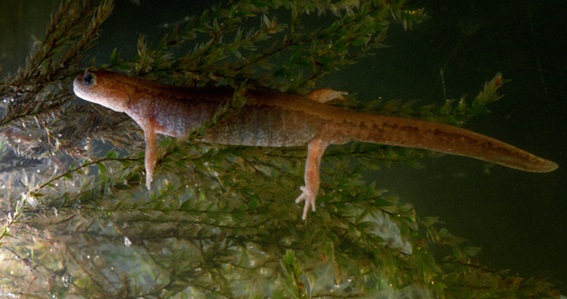
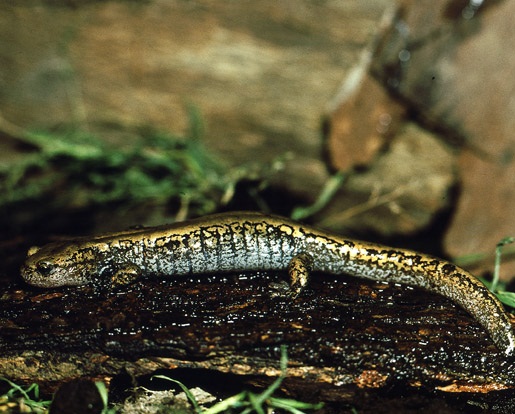
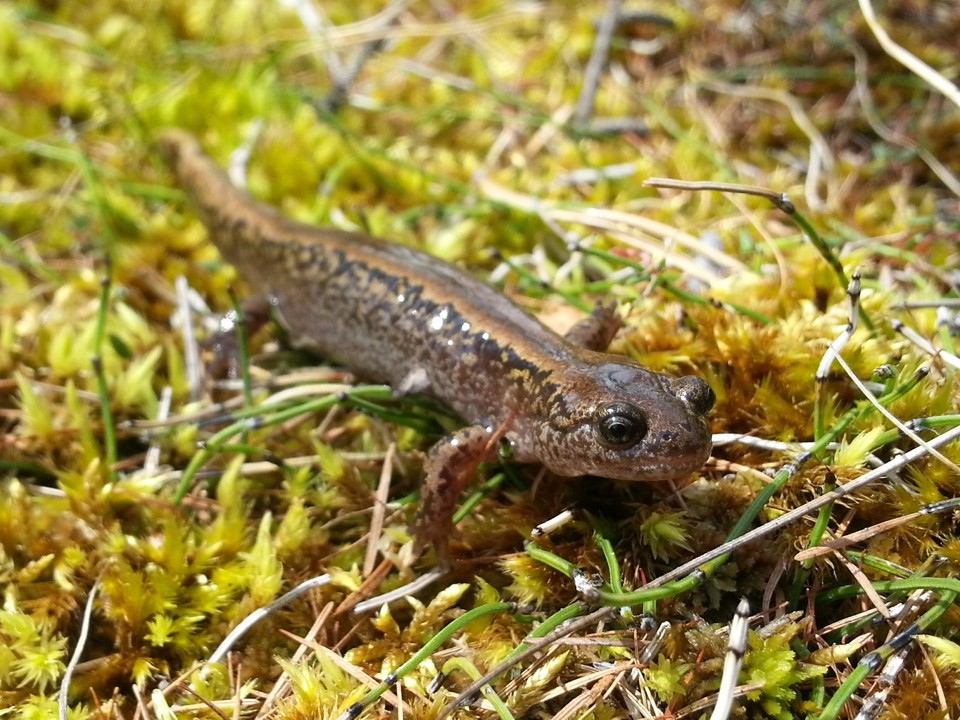
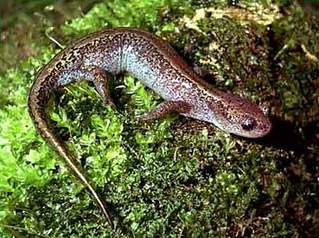
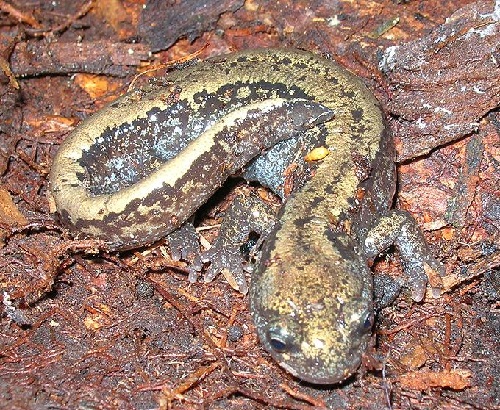
Siberian salamander is a species of salamander occurring in Northeast Asia. The species is known to survive in temperatures as low as -45 °C.
| Kingdom | Animalia |
| Phylum | Chordata |
| Class | Amphibia |
| Subclass | Lissamphibia |
| Order | Caudata |
| Family | Hynobiidae |
| Genus | Salamandrella |
| Scientific Name | Salamandrella keyserlingii |
| Size | 9 to 12.5 cm |
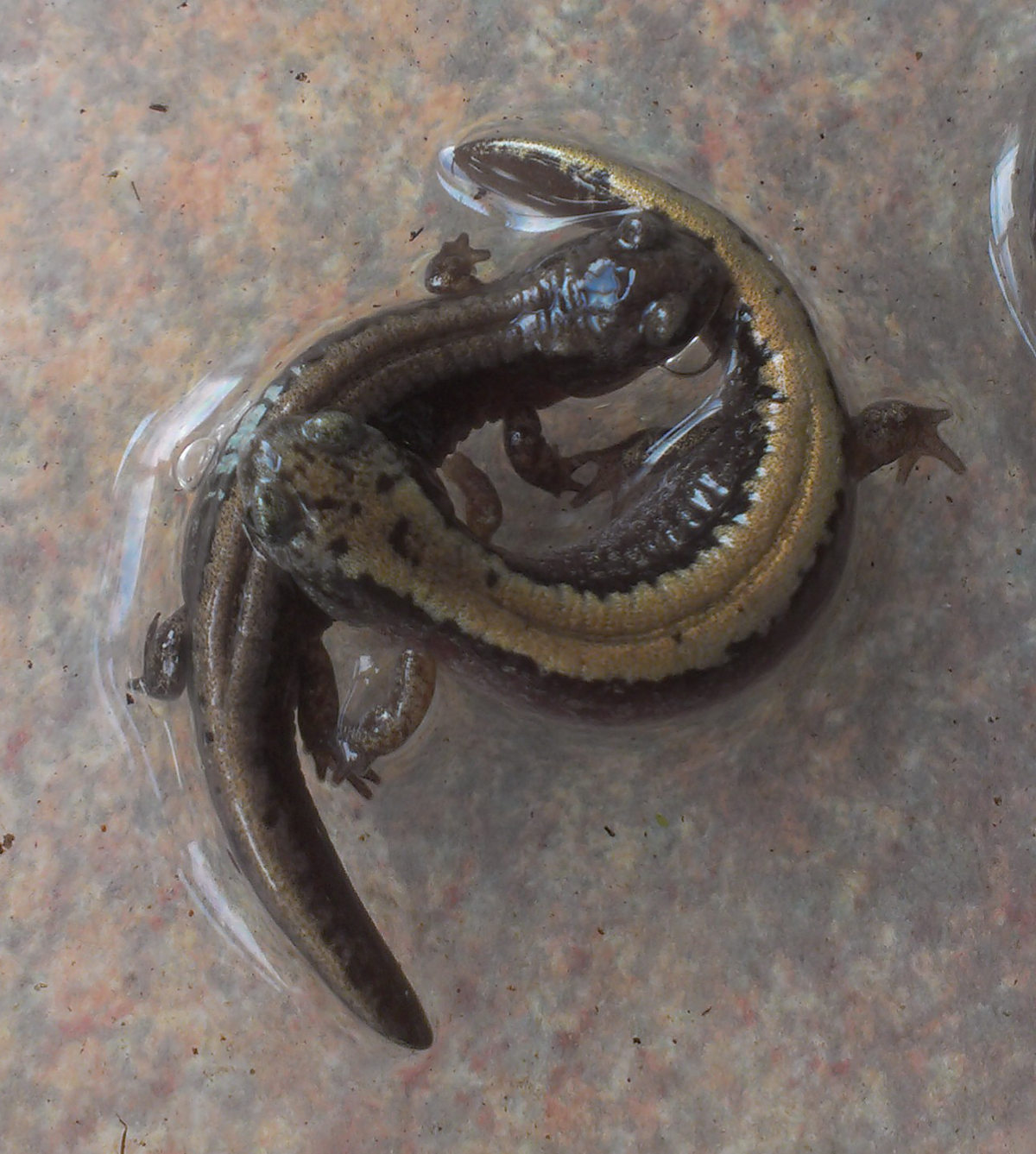
| Color | Bluish-brown body color with a purple stripe running along the back; thin, dark brown stripes appears between and around the eyes, and sometimes on the tail |
| Distribution | Siberia, northern Kazakhstan, Mongolia, northeastern China, the Korean Peninsula, Hokkaidō (Japan) |
| Habitat | Mixed, coniferous and deciduous forests and steppe and riparian forests near stagnant or slow-moving water; breeding habitats include wet grassland, pools bogs, and small ponds at low altitudes |
| Diet | Slugs and arthropods |
| Hibernation Fact | Hibernate during winter |
| Predators | Fish, snakes, birds and mammals |
| Breeding Season | Middle of April to middle of June |
| Mode of Reproduction | Oviparous (egg laying) |
| Clutch Size | 50 to 90 eggs |
| Incubation Period | 3 to 4 weeks |
| Average Lifespan | Up to 8 years |
| IUCN Conservation Status | Least Concern |
Siberian Salamander Pictures Gallery
-
- Salamandrella Keyserlingii
-

- Siberian Salamander Images
-

- Siberian Salamander Photos
-

- Siberian Salamander Pictures
-

- Siberian Salamander
-
- Siberian Salamanders
Published on March 15th 2017 by staff under Salamanders. Article was last reviewed on 30th September 2019.