Home > Salamanders > Coastal Giant Salamander
Coastal Giant Salamander
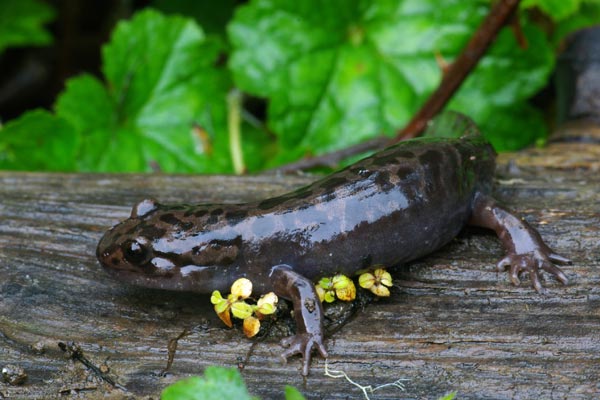
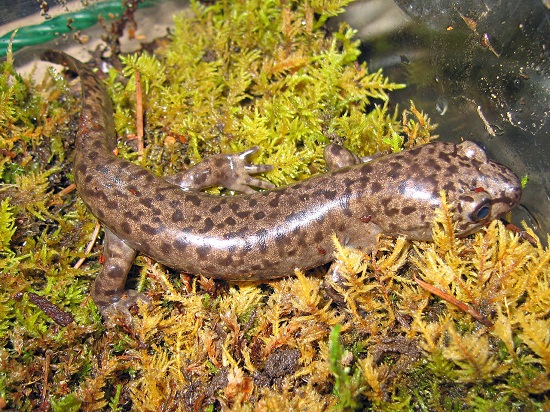
Coastal giant salamander is a species of salamander endemic to the United States and Canada. The species is mainly nocturnal; however, it may be active during the early morning hours as well. The salamander is solitary except for the breeding season. The species is territorial too.
| Kingdom | Animalia |
| Phylum | Chordata |
| Class | Amphibia |
| Order | Urodela |
| Family | Ambystomatidae |
| Genus | Dicamptodon |
| Scientific Name | Dicamptodon tenebrosus |
| Size | Up to 34 cm (13 in) |
| Weight | 22 to 114 g |
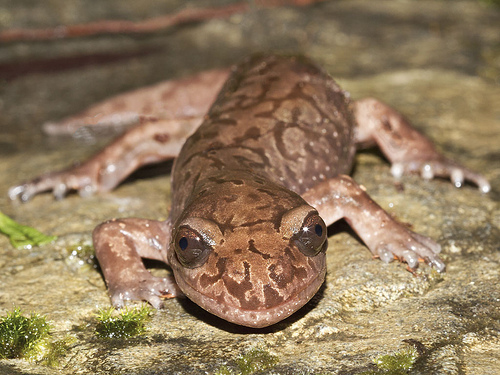
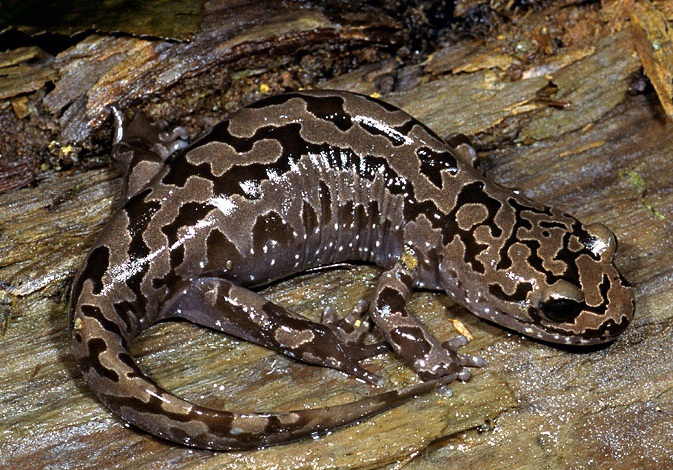
| Color | Light brown or brassy background color with marbled or reticulate pattern of dark blotches on the head, sides and back |
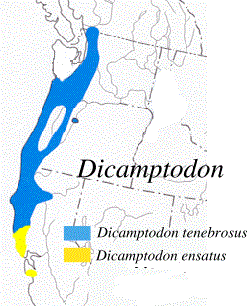
| Distribution | Northern California, Oregon, Washington (United States), Canada |
| Habitat | Under rocks and logs in humid forests, near mountain streams, rocky shores of mountain lakes |
| Diet | Aquatic organisms, terrestrial prey like mice and shrews |
| Predators | Weasels, Garter snakes, water shrews, river otters, Salmonids |
| Breeding Season | Spring through fall |
| Mode of Reproduction | Oviparous (egg laying) |
| Clutch Size | 135 to 200 eggs |
| Incubation Period | 6 to 7 months |
| Reproductive Age | 5 to 6 years of age |
| IUCN Conservation Status | Least Concern |
Coastal Giant Salamander Pictures Gallery
-

- Coastal Giant Salamander Images
-
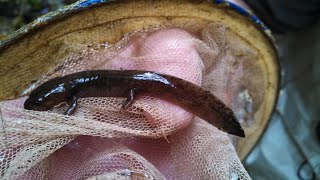
- Coastal Giant Salamander Larvae
-

- Coastal Giant Salamander Photos
-

- Coastal Giant Salamander Pictures
-
- Coastal Giant Salamander Range
-
- Coastal Giant Salamander
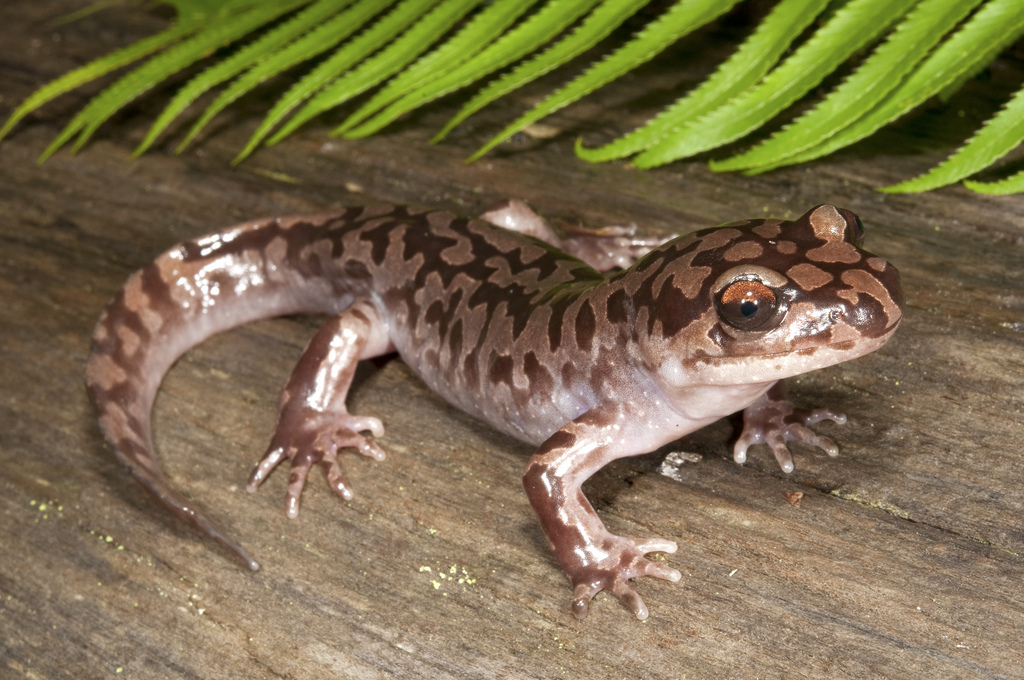
-
- Coastal Giant Salamanders
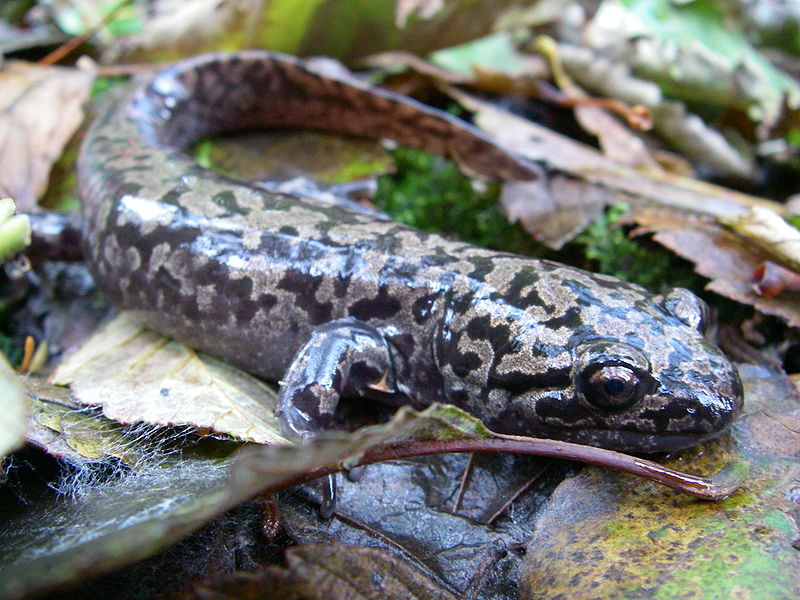
-

- Dicamptodon Tenebrosus
Published on March 18th 2017 by staff under Salamanders. Article was last reviewed on 30th September 2019.